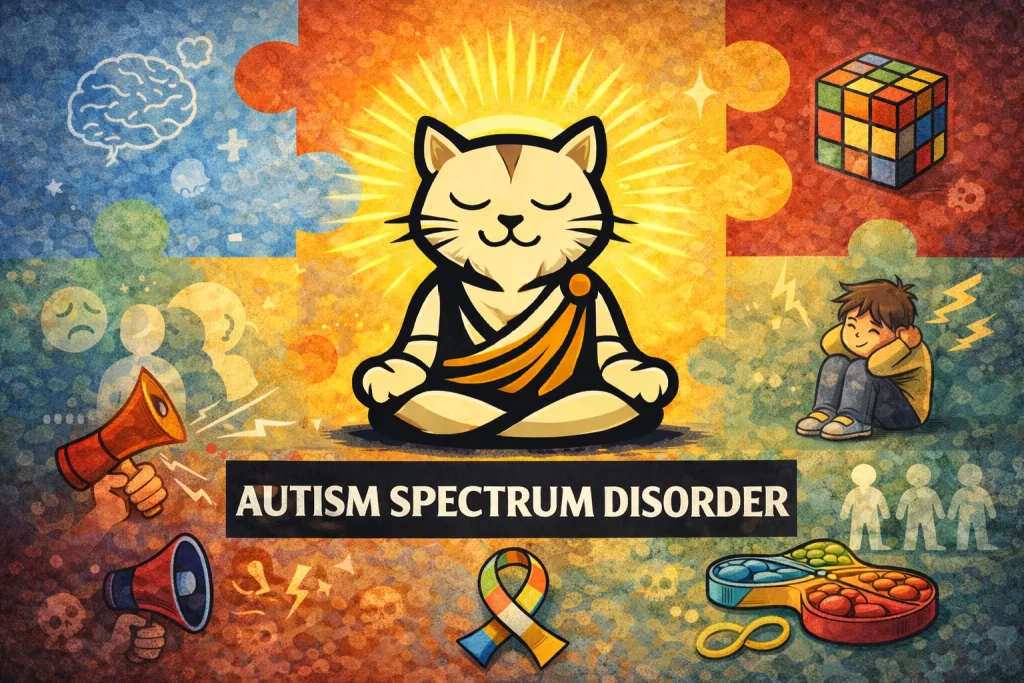
Autism is not a single trait or a simple diagnosis, but a broad spectrum of neurodevelopmental differences that shape how individuals perceive, process, and respond to the world. Often referred to as Autism Spectrum Disorder (ASD), autism affects communication, social interaction, sensory experience, and patterns of interest or behavior. Yet beyond clinical descriptions lies something more fundamental: a distinct way of being.
Communication and Sensory Experience
One of the defining features of autism is variation in social communication. Some autistic individuals are non-speaking; others are highly verbal but may struggle with implied meanings, small talk, or unspoken social rules. Eye contact, tone of voice, and body language may be experienced differently. What appears to neurotypical observers as aloofness or rigidity may, from the autistic perspective, be a preference for clarity, predictability, or authenticity.
Sensory processing differences are also common. Lights may seem painfully bright, sounds overwhelming, textures intolerable. Conversely, some individuals seek strong sensory input. These experiences are not exaggerations; they reflect genuine neurological sensitivity. Environments designed without consideration for such differences can be exhausting or distressing, contributing to anxiety or shutdown.
Autism is also associated with focused interests and deep engagement. Many autistic people develop intense passions—whether for trains, coding, music theory, animals, or abstract systems. These interests can become sources of expertise, creativity, and joy. The same traits that may cause social friction can also enable exceptional concentration, pattern recognition, and innovation.
Neurodiversity and Inclusion
In recent decades, the neurodiversity movement has reframed autism not solely as a disorder, but as part of natural human variation. This perspective does not deny the real challenges autism can bring—communication barriers, discrimination, sensory overload, or the need for support. Rather, it resists defining autistic lives exclusively in terms of deficit. It asks society to consider how environments, expectations, and rigid norms contribute to difficulty. When workplaces, schools, and communities adapt—through clear communication, sensory accommodations, and flexible structures—many barriers lessen.
Autism also invites a broader reflection on what is considered “normal.” Social conventions are often invisible to those who follow them effortlessly. Autistic differences make those conventions visible, revealing how much of social life depends on implicit cues and shared assumptions. In this way, autism challenges societies to become more explicit, patient, and inclusive.
Ultimately, autism is neither tragedy nor superpower in any universal sense. It is a complex configuration of strengths and vulnerabilities that varies widely from person to person. To understand autism is to recognize individuality—to listen rather than assume, to support rather than stereotype. In doing so, society moves closer to valuing not only conformity, but difference as well.