Addiction is a chronic and relapsing disorder characterized by compulsive substance use or engagement in behaviors despite harmful consequences. It affects the brain’s reward, motivation, and self-control systems, leading individuals to prioritize the addictive substance or activity over relationships, work, and health. While addiction is commonly associated with drugs and alcohol, behavioral addictions—such as gambling disorder—demonstrate similar neurological and psychological patterns.
Modern definitions emphasize that addiction is not simply a failure of willpower. Instead, it is a complex condition shaped by biology, environment, learning, and social context. Diagnostic criteria established by the American Psychiatric Association describe substance use disorders in terms of impaired control, social impairment, risky use, and physiological dependence.
The Brain and the Reward System
Central to understanding addiction is the brain’s reward system, particularly dopamine pathways involving the nucleus accumbens and prefrontal cortex. Addictive substances increase dopamine release, reinforcing behaviors that the brain perceives as rewarding. Over time, repeated exposure alters neural circuits, reducing sensitivity to natural rewards and increasing craving for the addictive substance.
Research by Nora D. Volkow has shown through brain imaging studies that individuals with substance use disorders often exhibit decreased activity in the prefrontal cortex, a region responsible for impulse control and decision-making. These findings help explain why individuals may continue using substances despite knowing the consequences.
Animal studies have also contributed to addiction research. Experiments conducted by James Olds and Peter Milner in the 1950s demonstrated that rats would repeatedly press a lever to electrically stimulate reward centers in their brains, sometimes neglecting food and water. This research illustrated the powerful reinforcing properties of dopamine-driven reward circuits.
Psychological and Learning Theories
Addiction is also shaped by learning processes. Classical conditioning can link environmental cues—such as places, people, or emotional states—with substance use. These cues can trigger intense cravings even after long periods of abstinence.
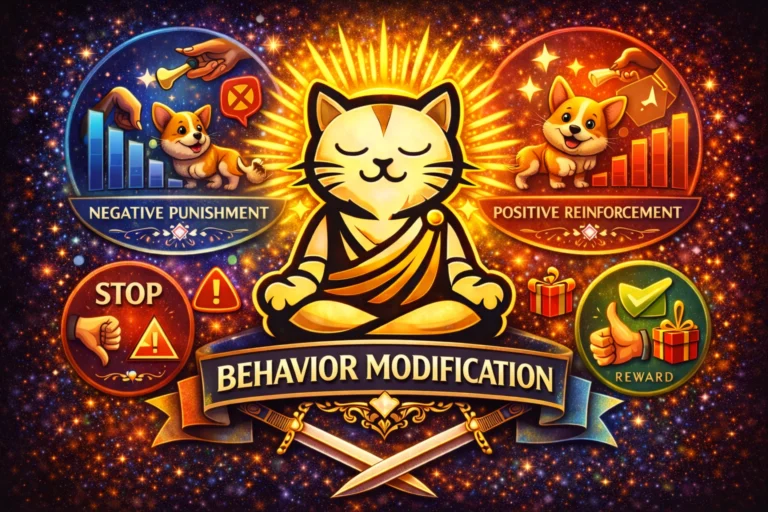
Behavioral models influenced by B.F. Skinner emphasize reinforcement. Substances may initially produce positive reinforcement (euphoria or relief), but over time, negative reinforcement—avoiding withdrawal symptoms—becomes a driving factor.
A well-known study challenging traditional views of addiction is the “Rat Park” experiment conducted by Bruce K. Alexander. In this study, rats housed in enriched, socially stimulating environments consumed far less morphine-laced water than rats isolated in barren cages. The findings suggested that environmental context plays a critical role in addictive behavior, highlighting the importance of social connection and psychological well-being.
Genetic and Environmental Risk Factors
Addiction has a significant genetic component. Twin and adoption studies show that heritability estimates for substance use disorders often range between 40% and 60%. However, genes do not determine addiction outright; they influence vulnerability.
Environmental factors such as childhood trauma, chronic stress, peer influence, and socioeconomic disadvantage strongly increase risk. Research on adverse childhood experiences (ACEs) demonstrates a powerful relationship between early trauma and later substance abuse. Individuals exposed to multiple ACEs are significantly more likely to develop addiction in adulthood.
The “self-medication hypothesis,” proposed by Edward Khantzian, suggests that individuals may use substances to cope with emotional pain, anxiety, or unresolved trauma. This perspective underscores the importance of addressing underlying psychological distress in treatment.
Treatment and Recovery
Addiction treatment typically involves a combination of medical, psychological, and social interventions. Medication-assisted treatment (MAT), including methadone, buprenorphine, and naltrexone, has been shown in randomized controlled trials to significantly reduce relapse and overdose risk for opioid use disorder.
Cognitive-behavioral therapy (CBT) helps individuals identify triggers, challenge maladaptive thoughts, and develop healthier coping strategies. Motivational interviewing, developed by William R. Miller, is an evidence-based counseling approach that enhances intrinsic motivation for change.
Longitudinal research indicates that recovery is often nonlinear, involving periods of relapse and remission. However, social support, stable housing, employment, and meaningful relationships significantly increase the likelihood of sustained recovery. Community-based programs and peer support networks play a crucial role in long-term outcomes.
Conclusion
Addiction is a multifaceted disorder involving changes in brain circuitry, learned behaviors, genetic vulnerability, and environmental stressors. From early reward-system experiments by Olds and Milner to Volkow’s neuroimaging research and Alexander’s Rat Park study, scientific understanding has evolved beyond simplistic moral explanations. Effective treatment requires addressing biological dependence, psychological factors, and social context simultaneously. Although addiction can be chronic, evidence-based interventions and supportive environments make recovery possible, offering hope for individuals and families affected by this complex condition.