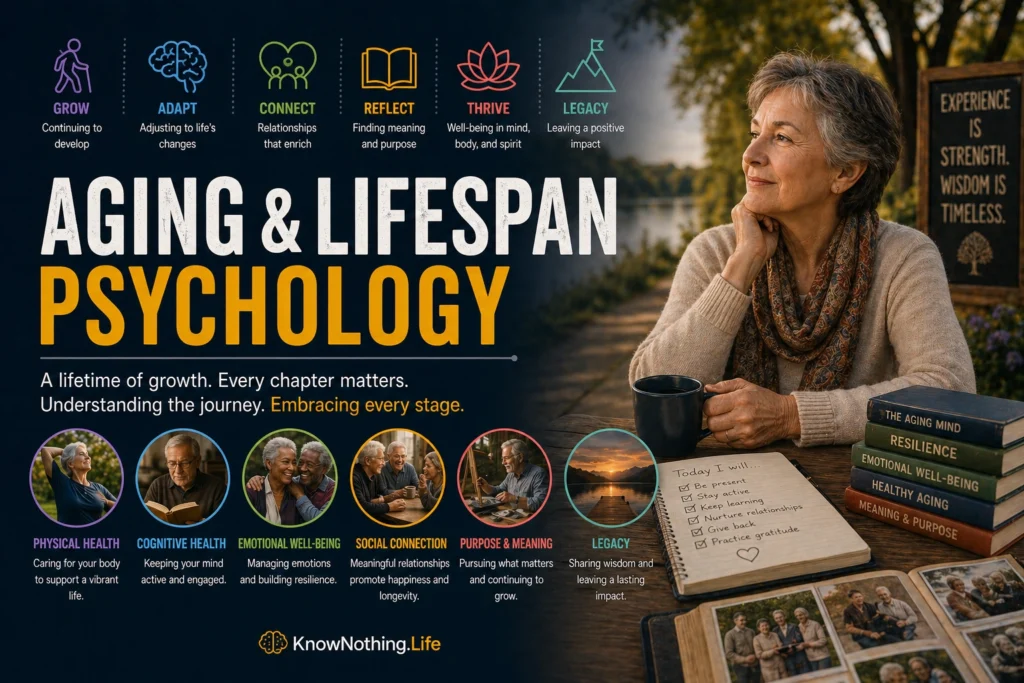
Aging and lifespan psychology is the study of how individuals grow, adapt, and change from early adulthood through later life. Rather than viewing aging solely as decline, this field emphasizes the full trajectory of human development, recognizing that growth, learning, and transformation continue across the entire lifespan. It examines how biological, cognitive, emotional, and social processes interact over time, shaping the experience of aging in diverse and complex ways.
What distinguishes lifespan psychology is its holistic perspective. Development is understood not as a series of isolated stages but as a continuous process influenced by earlier experiences, present conditions, and future expectations. Aging, within this framework, is not merely the passage of time but a dynamic interplay of adaptation and change. This perspective challenges common stereotypes about aging, highlighting both the challenges and opportunities that characterize later life.
Theoretical Foundations of Lifespan Development
The modern study of aging is grounded in lifespan development theory, which emphasizes that development is lifelong, multidimensional, and influenced by both gains and losses. One of the key figures in this field is Paul Baltes, who proposed that development involves a balance between growth and decline. His model of “selection, optimization, and compensation” describes how individuals adapt to changes by focusing on important goals, maximizing resources, and compensating for limitations.
Another influential framework comes from Erik Erikson, whose stages of psychosocial development extend into later life. In his final stage, “integrity versus despair,” individuals reflect on their lives, seeking a sense of coherence and fulfillment. This perspective highlights the psychological and emotional dimensions of aging, emphasizing the importance of meaning and reflection.
Contemporary theories integrate these perspectives with insights from biology, sociology, and cognitive science. They recognize that aging is shaped by a wide range of factors, including genetics, lifestyle, culture, and historical context. This interdisciplinary approach provides a more comprehensive understanding of the aging process, reflecting the complexity of human development across the lifespan.
Biological Aspects of Aging
Biological aging involves gradual changes in the body’s structure and function, affecting systems such as the cardiovascular, musculoskeletal, and nervous systems. These changes are influenced by genetic factors as well as environmental conditions, including nutrition, physical activity, and exposure to stress. While some degree of decline is inevitable, the rate and extent of these changes vary widely among individuals.
One of the most significant aspects of biological aging is the decline in cellular function. Processes such as DNA repair, protein synthesis, and cell regeneration become less efficient over time, contributing to the aging of tissues and organs. This can lead to increased vulnerability to disease and reduced physical resilience. However, advances in medical science and public health have significantly extended life expectancy, allowing individuals to maintain health and functionality for longer periods.
Importantly, biological aging is not solely a process of decline. Many individuals maintain high levels of physical and cognitive functioning well into later life, particularly when they engage in healthy behaviors. Exercise, balanced nutrition, and preventive healthcare can mitigate some of the effects of aging, highlighting the role of lifestyle in shaping biological outcomes.
Cognitive Changes Across the Lifespan
Cognitive development continues throughout the lifespan, with both gains and losses occurring over time. In early and middle adulthood, individuals often reach peak levels of cognitive performance in areas such as reasoning, memory, and problem-solving. As they age, certain abilities, particularly those related to processing speed and working memory, may decline. However, other aspects of cognition, such as knowledge and expertise, often remain stable or even improve.
This distinction is often described in terms of fluid and crystallized intelligence. Fluid intelligence, which involves the ability to solve new problems and think abstractly, tends to decline with age. In contrast, crystallized intelligence, which reflects accumulated knowledge and experience, often increases. This balance illustrates that aging involves both losses and gains, rather than a simple decline in ability.
Cognitive aging is also influenced by factors such as education, mental stimulation, and social engagement. Individuals who remain intellectually active and socially connected tend to experience better cognitive outcomes. Research in neuroscience has shown that the brain retains a degree of plasticity even in later life, allowing for continued learning and adaptation. These findings challenge the notion that cognitive decline is inevitable and highlight the potential for maintaining cognitive health.
Emotional Well-Being and Psychological Adjustment
Emotional development in later life is often characterized by increased stability and well-being. Many older adults report higher levels of life satisfaction and emotional regulation compared to younger individuals. This phenomenon is sometimes explained by the socioemotional selectivity theory, which suggests that as people perceive their time as limited, they prioritize meaningful relationships and experiences.
Older adults often develop greater emotional resilience, allowing them to cope more effectively with stress and adversity. This resilience is supported by life experience, which provides a broader perspective on challenges and a deeper understanding of emotional processes. As a result, many individuals are able to maintain a positive outlook even in the face of physical or social changes.
However, aging can also present emotional challenges, such as coping with loss, health issues, or changes in social roles. The ability to adapt to these challenges is influenced by factors such as social support, coping strategies, and overall mental health. Understanding emotional development in aging provides insight into how individuals maintain well-being and find meaning in later life.
Social Relationships and Aging
Social relationships play a crucial role in shaping the experience of aging. Throughout the lifespan, relationships with family, friends, and community members provide support, companionship, and a sense of belonging. In later life, social networks may become smaller, but they often become more emotionally significant, reflecting a focus on quality rather than quantity.
Family relationships, particularly those involving children and grandchildren, can be a major source of fulfillment. Intergenerational connections provide opportunities for sharing knowledge, values, and experiences, contributing to a sense of continuity and purpose. At the same time, changes in family structure, such as retirement or the loss of a spouse, can alter social dynamics and require adjustment.
Community engagement and social participation are also important for well-being in later life. Activities such as volunteering, social clubs, and educational programs provide opportunities for connection and personal growth. Maintaining social relationships has been linked to better physical and mental health, underscoring the importance of social factors in aging.
Aging, Identity, and Meaning
Aging involves not only physical and cognitive changes but also shifts in identity and meaning. As individuals move through different stages of life, they may reevaluate their goals, values, and sense of self. This process of reflection can lead to a deeper understanding of one’s life and a greater sense of coherence.
The concept of life review is central to this aspect of aging. By reflecting on past experiences, individuals can integrate their memories into a meaningful narrative. This process can foster a sense of integrity and acceptance, as described by Erik Erikson. It also provides an opportunity to reconcile unresolved issues and find closure.
Meaning in later life is often derived from relationships, contributions to others, and personal achievements. Engaging in activities that provide a sense of purpose can enhance well-being and support positive aging. This perspective emphasizes that aging is not merely about decline but about the continued search for meaning and fulfillment.
Cultural and Societal Perspectives on Aging
Cultural and societal factors play a significant role in shaping how aging is experienced and understood. Different cultures have varying attitudes toward aging, influencing how older adults are treated and valued. In some societies, aging is associated with wisdom and respect, while in others it may be linked to decline and marginalization.
Socioeconomic factors also influence the experience of aging, affecting access to healthcare, resources, and opportunities. Inequalities in these areas can lead to disparities in health and well-being among older adults. Addressing these challenges requires a broader understanding of the social determinants of aging and the development of policies that support healthy aging.
The growing aging population in many parts of the world has brought increased attention to issues related to aging, including healthcare, retirement, and social support. This demographic shift highlights the importance of lifespan psychology in addressing the needs of older adults and promoting positive aging at both individual and societal levels.
Conclusion
Aging and lifespan psychology provide a comprehensive framework for understanding how individuals grow and change throughout their lives. By examining the interplay of biological, cognitive, emotional, and social factors, this field highlights the complexity of the aging process and the diversity of human experience. Aging is not simply a period of decline but a stage of continued development, adaptation, and meaning.
The insights gained from lifespan psychology have important implications for individuals, families, and societies. They inform practices that support health, well-being, and social engagement, while also challenging stereotypes about aging. Ultimately, the study of aging underscores the enduring capacity for growth and resilience, offering a more nuanced and positive view of the later stages of life.