Albert Einstein

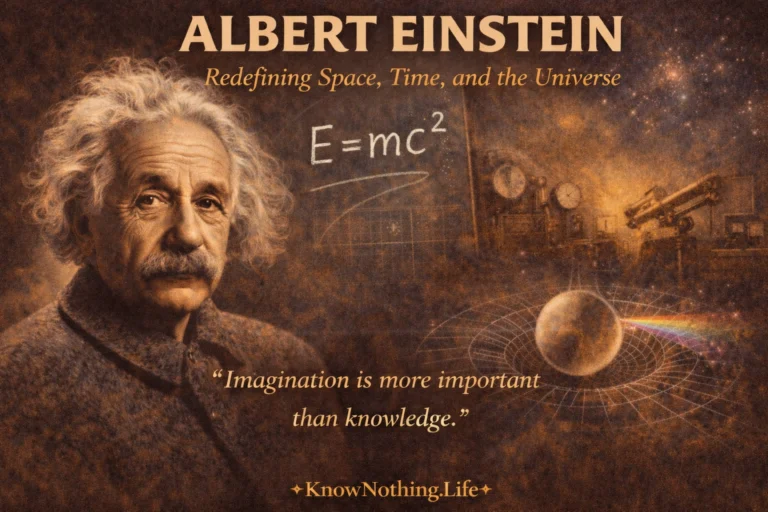
Albert Einstein: The Mind That Reimagined the Universe

The name Albert Einstein has become synonymous with genius, yet his significance extends far beyond intellectual reputation. Einstein fundamentally reshaped humanity’s understanding of space, time, energy, and gravity, altering the very framework through which reality is interpreted. His work did…

Isaac Newton

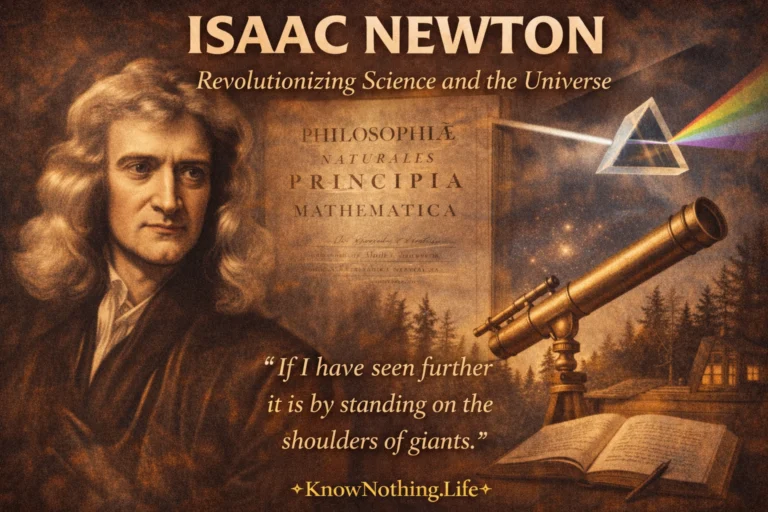
Isaac Newton: The Architect of Classical Physics and Scientific Law

The scientific revolution reached one of its highest points in the work of Isaac Newton, whose ideas transformed humanity’s understanding of the natural world. Few figures in history have so profoundly reshaped multiple disciplines at once. Newton’s contributions to physics,…

Martin Heidegger

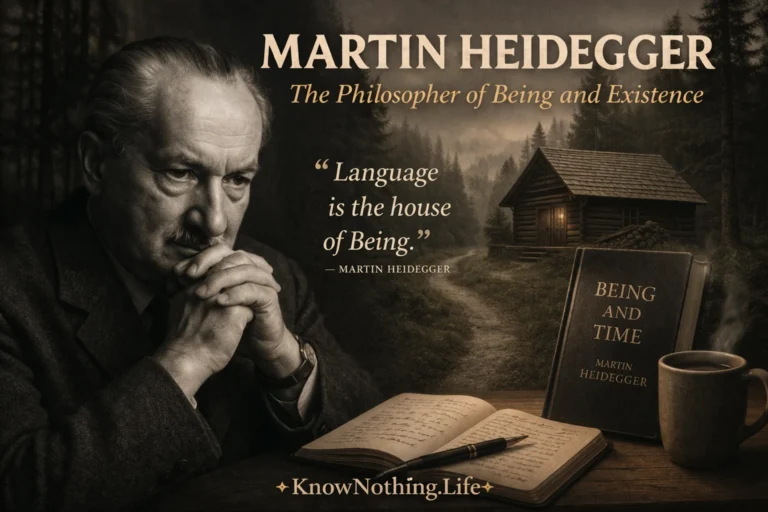
Martin Heidegger: The Philosopher of Being and Existence

The philosophy of Martin Heidegger represents one of the most profound and controversial developments in 20th-century thought. His work centers on a deceptively simple yet deeply complex question: what does it mean to be? While earlier philosophers had explored existence,…

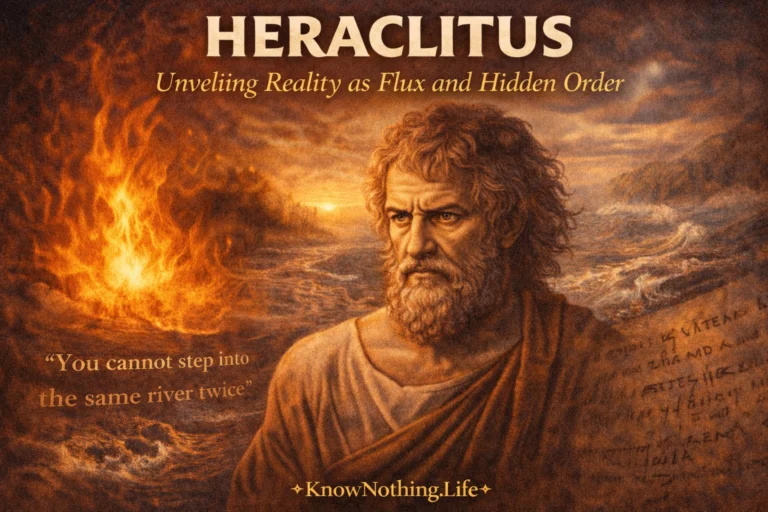
Heraclitus

Heraclitus: The Philosopher of Flux and Fire

The philosophy of Heraclitus stands among the most enigmatic and influential in the history of Western thought. Known as the “Weeping Philosopher” and often described as obscure, Heraclitus developed a vision of reality defined not by stability, but by constant…

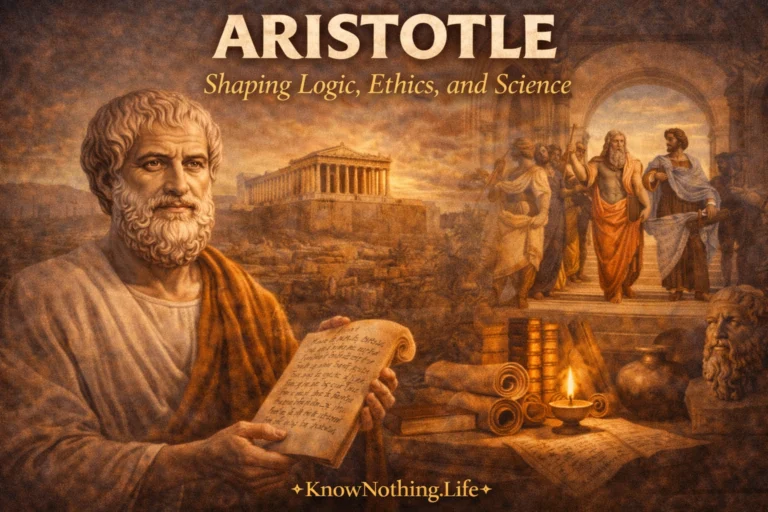
Aristotle

Aristotle: The Philosopher of Logic, Nature, and Human Purpose

The intellectual legacy of Aristotle is so vast that it forms one of the central pillars of Western thought. A student of Plato and tutor to Alexander the Great, Aristotle combined philosophical depth with empirical observation, creating a system of…

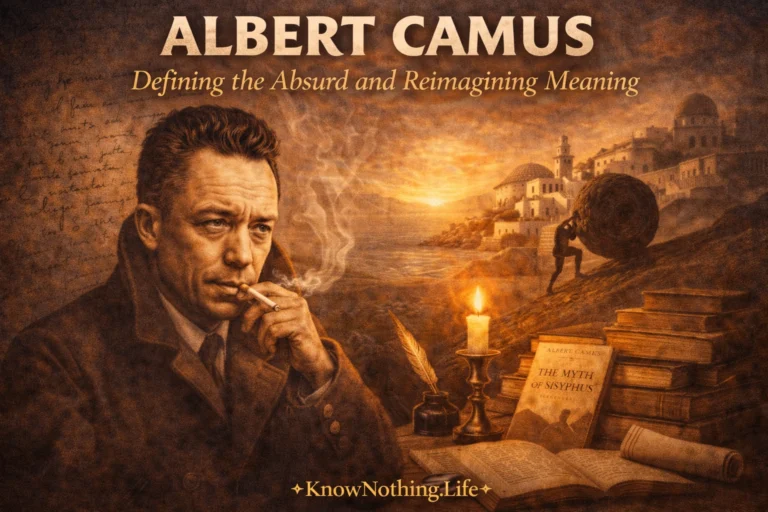
Albert Camus

Albert Camus: The Philosopher of the Absurd and Human Defiance

The philosophy of Albert Camus occupies a unique place in modern thought, standing at the crossroads of literature, ethics, and existential inquiry. Often associated with existentialism, though he rejected the label, Camus developed a distinct philosophical perspective centered on the…

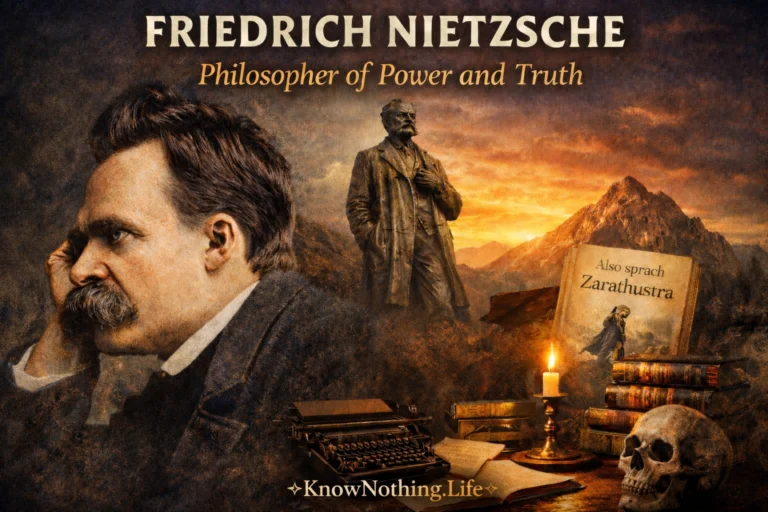
Friedrich Nietzsche: The Philosopher of Power, Truth, and Transformation

The philosophy of Friedrich Nietzsche resists easy categorization, unfolding instead as a challenge—sometimes explosive, often unsettling—to the moral, religious, and philosophical foundations of Western civilization. Writing in the late 19th century, Nietzsche sought not merely to critique inherited values, but…

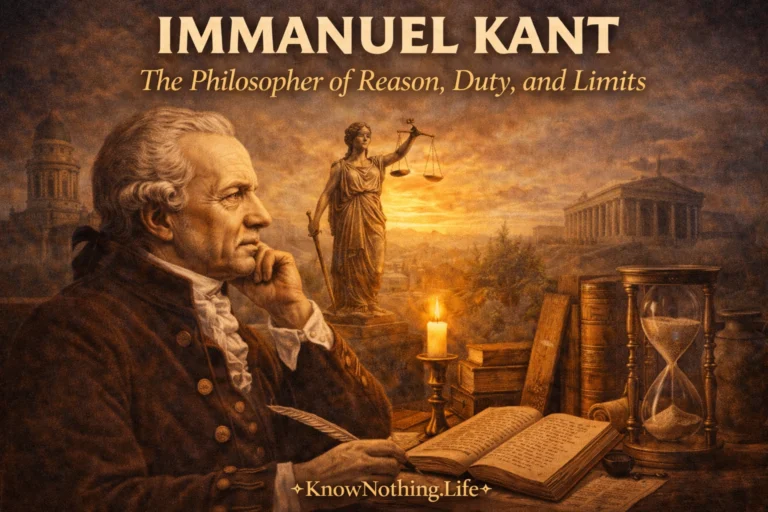
Immanuel Kant

Immanuel Kant: The Philosopher of Reason, Duty, and Limits

The philosophy of Immanuel Kant represents one of the most decisive turning points in intellectual history. Writing in the late 18th century, Kant sought to answer a question that had divided thinkers for generations: how can human beings possess knowledge…

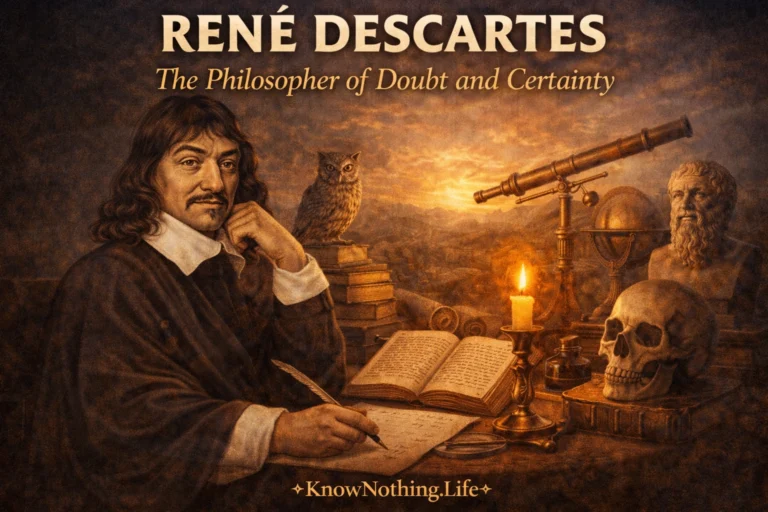
Rene Descartes

René Descartes: The Philosopher of Doubt and Certainty

The intellectual revolution that reshaped Europe in the 17th century found one of its clearest voices in René Descartes. Often called the “father of modern philosophy,” Descartes sought to rebuild human knowledge from the ground up, rejecting inherited assumptions and…

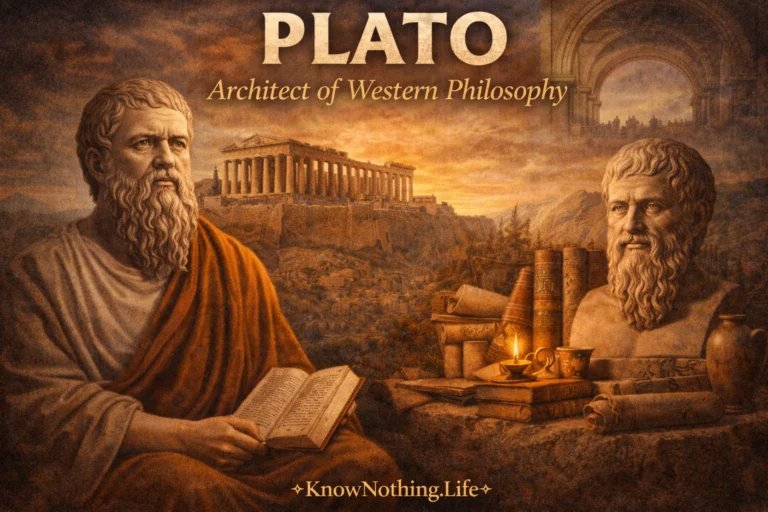
Plato

Plato: Architect of Western Philosophy

The philosophical legacy of Plato is so foundational that much of Western intellectual history can be read as a continuation—or critique—of his ideas. A student of Socrates and teacher of Aristotle, Plato occupies a central position in a lineage that…

Socrates

Socrates: The Philosopher Who Claimed to Know Nothing

The life of Socrates stands at the foundation of Western philosophy, yet it is marked by a paradox: one of history’s most influential thinkers left behind no written works of his own. What we know about him comes primarily through…