Galileo Galilei

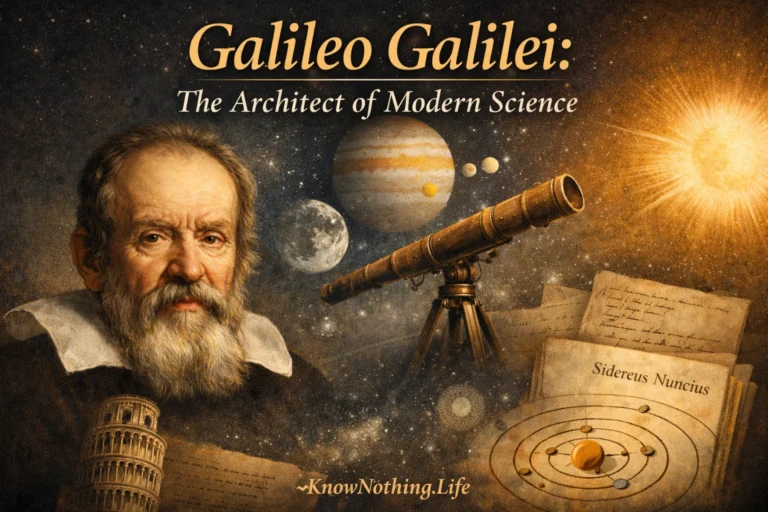
Galileo Galilei: The Architect of Modern Science

Galileo Galilei was born on February 15, 1564, in Pisa, Italy, at a time when Europe stood at the threshold of intellectual transformation. The Renaissance had revived classical learning, yet natural philosophy remained deeply rooted in the authority of Aristotle.…

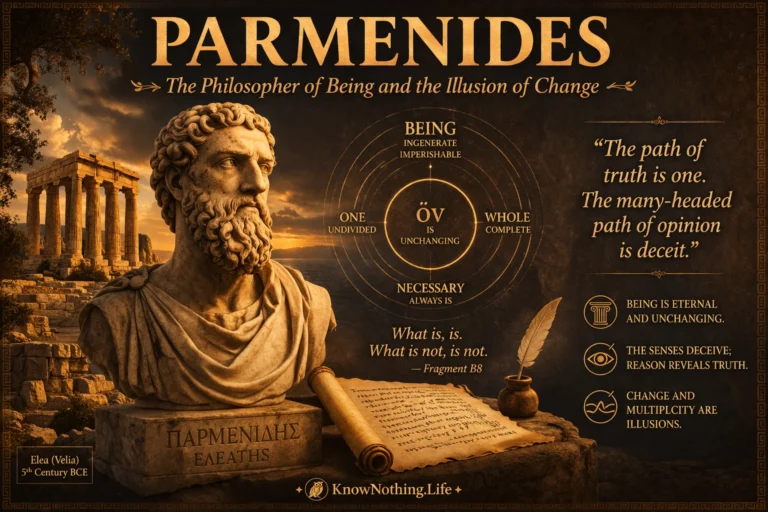
Parmenides

Parmenides: The Philosopher of Being and the Illusion of Change

The philosophy of Parmenides marks a turning point in the history of Western thought, introducing a radical and deeply challenging vision of reality. In stark contrast to thinkers like Heraclitus, who emphasized change and flux, Parmenides argued that change itself…

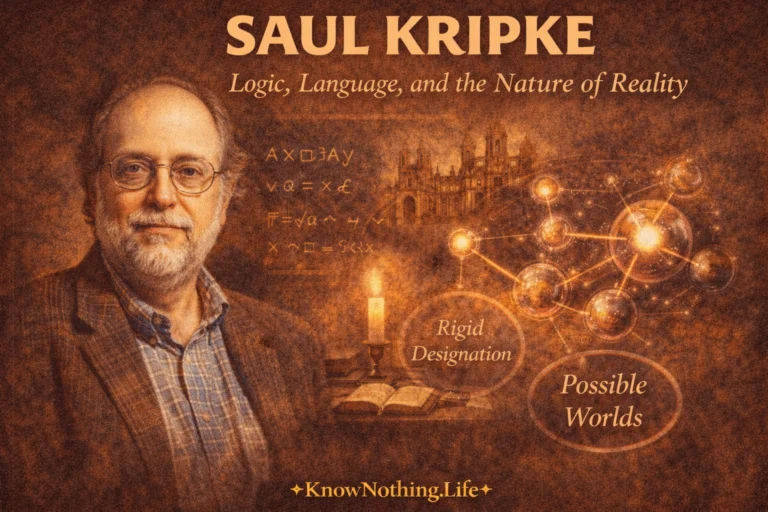
Saul Kripke

Saul Kripke: The Philosopher of Naming, Necessity, and Possible Worlds

The philosophy of Saul Kripke represents one of the most significant developments in analytic philosophy during the 20th century. With remarkable clarity and originality, Kripke reshaped debates in logic, language, and metaphysics, challenging long-standing assumptions about meaning, reference, and necessity.…

George Berkeley

George Berkeley: The Philosopher of Idealism and Perception

The philosophy of George Berkeley represents one of the most radical reimaginings of reality in the history of Western thought. Best known for his doctrine of immaterialism—the claim that material substance does not exist independently of perception—Berkeley challenged deeply entrenched…